.jpg?w=2249&h=3000)
-1.jpg?w=1728&h=2304)
-RGB.jpg?w=1576&h=531)
Waterproof Jewelry Guide: Swim, Shower & Travel
Jul 29,2026 | ChicSilver
Summer makes jewelry care more complicated. Between swimming, showering, sunscreen, sweat and humid weather, pieces that look perfect at breakfast may be exposed to water and chemicals before the day ends.
That is why waterproof jewelry has become an important consideration for vacations and everyday wardrobes. The right pieces reduce the need to remove accessories constantly, making it easier to move from sightseeing to the beach or from a workout to dinner.
However, “waterproof” does not mean every metal, gemstone or finish can remain unchanged in every type of water. Before buying, it helps to understand the material, construction and care instructions behind the label.
What Does Waterproof Jewelry Really Mean?
In jewelry descriptions, waterproof usually means a piece is designed to tolerate regular contact with fresh water, sweat or humidity without immediately fading, rusting or losing its finish.
It does not always mean the jewelry is suitable for repeated exposure to chlorine, salt water, hot tubs or strong shower products. These environments contain chemicals and minerals that can affect metals, plating, adhesives and gemstone settings.
Terms such as water-resistant, tarnish-resistant and waterproof are also not interchangeable. Water-resistant jewelry may tolerate occasional splashes, while waterproof designs are generally intended for more frequent contact.
Material disclosure is therefore essential. The FTC explains that items described as sterling silver contain 92.5% pure silver and are often marked “925.” Silver-plated jewelry, by comparison, has only a layer of silver over another metal.
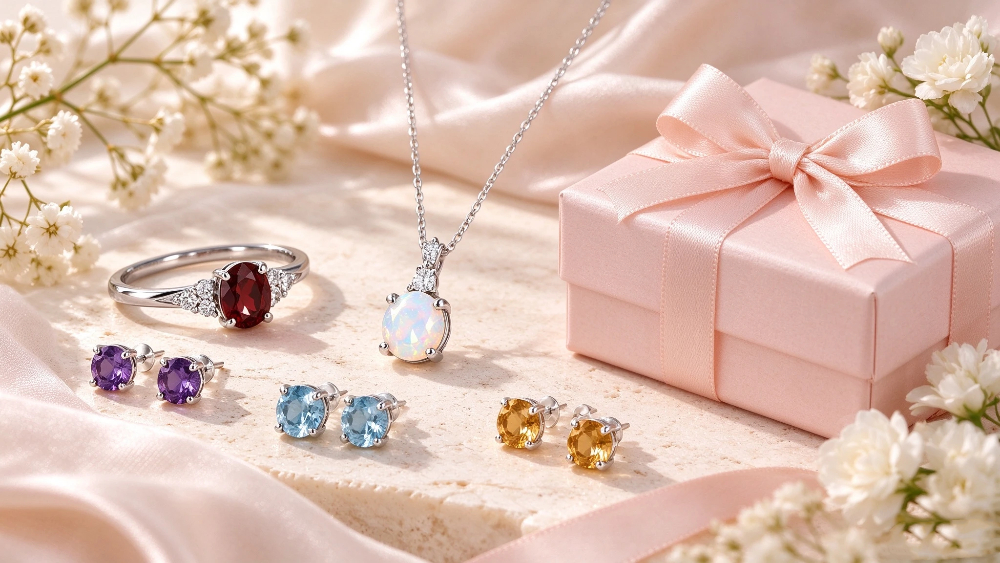
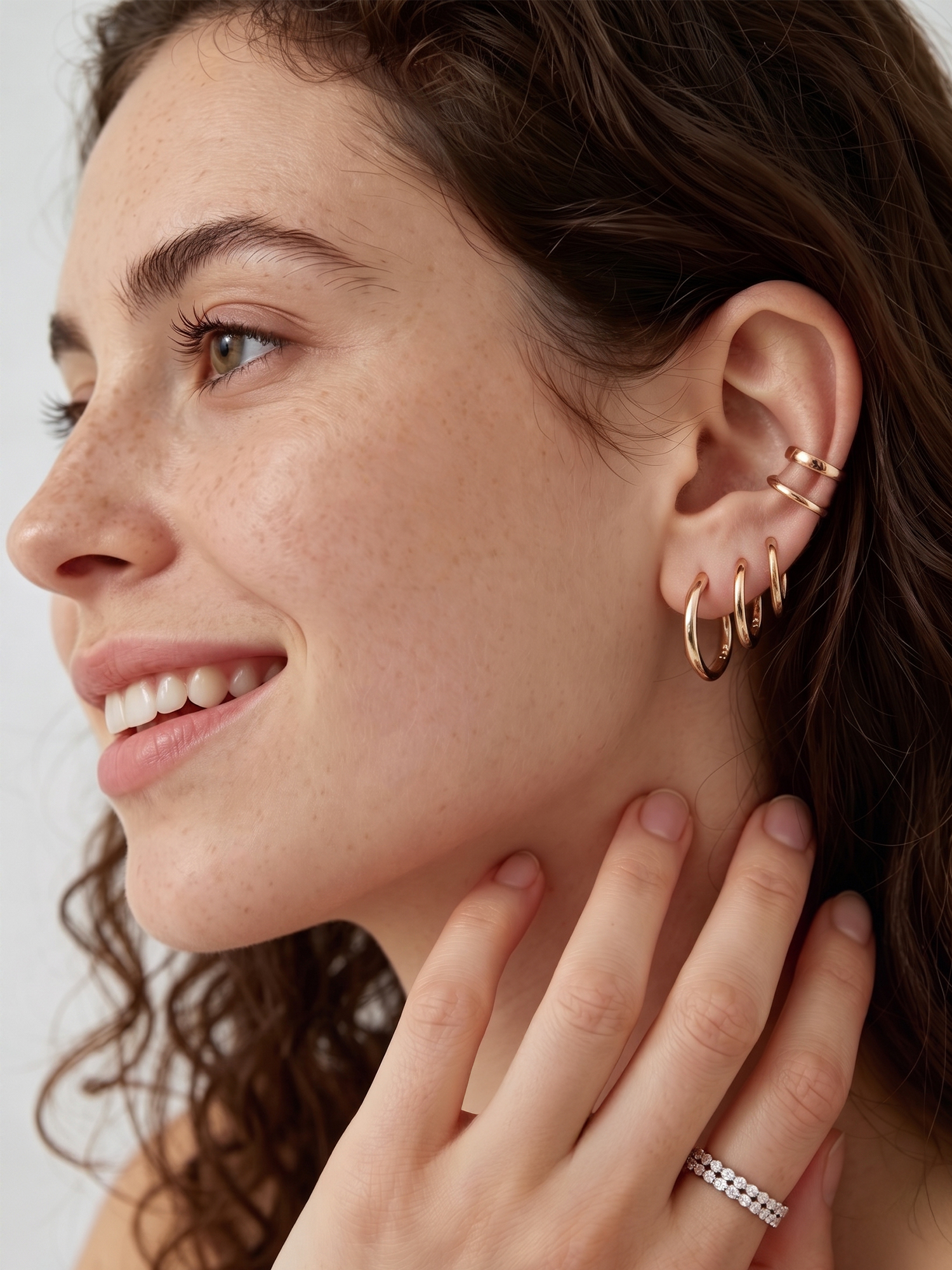
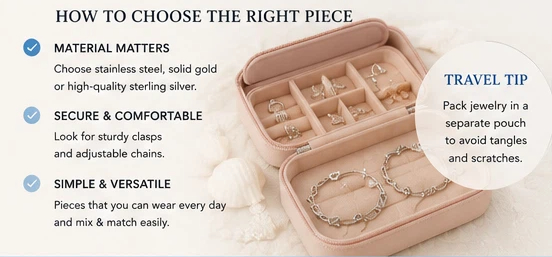
Lightweight silver earrings are practical for summer travel because they take up little space and can brighten both casual and evening outfits. ChicSilver’s star studs are made from S925 sterling silver and designed for lightweight daily wear.
Why Waterproof Jewelry Matters During Summer Travel
Vacation jewelry faces more exposure than pieces worn during an ordinary workday. A typical summer itinerary may include a long flight, humid streets, sunscreen, a swimming pool and an evening shower.
Removing jewelry before every activity is not always convenient. Small earrings may be misplaced, fine chains may become tangled in a handbag, and rings can be forgotten beside a hotel sink.
Choosing durable, simple designs makes summer styling easier. Good travel pieces should be:
-
Lightweight enough for long days
-
Comfortable in warm weather
-
Easy to clean
-
Securely fastened
-
Versatile across several outfits
-
Clearly labeled with their metal and finish
For airport days and city sightseeing, minimalist pieces are often more practical than heavily decorated jewelry. Small studs, fine necklaces and minimalist, lightweight bracelets are less likely to catch on clothing, towels or bag straps.
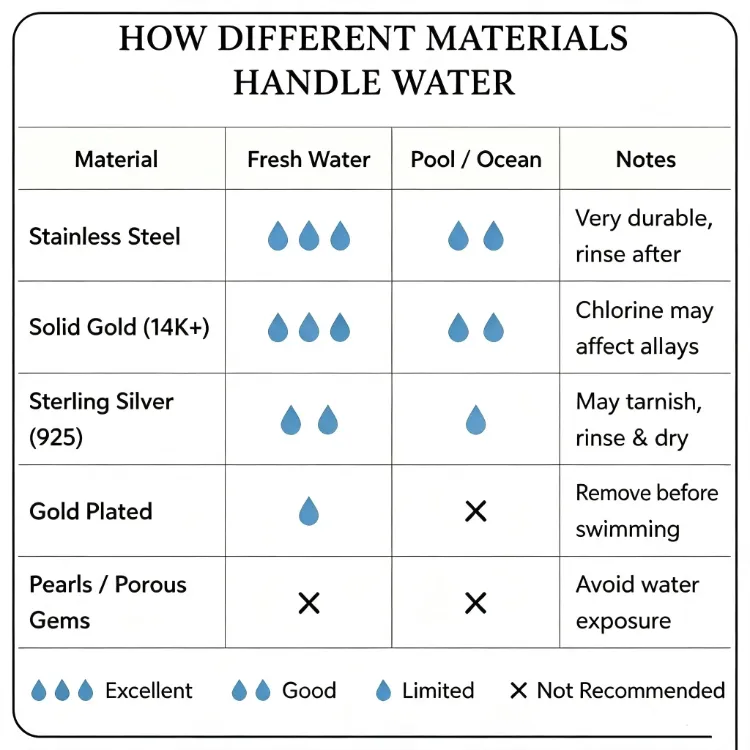
Which Jewelry Materials Handle Water Best?
Different materials react differently to moisture, chlorine and salt.
| Material | Fresh water | Pool or ocean | Main concern |
|---|---|---|---|
| Stainless steel | Generally resistant | Usually more practical, but rinse afterward | Residue and finish wear |
| Solid gold | Handles fresh water well | Chlorine may affect some gold alloys | Alloy damage and scratches |
| Sterling silver | Occasional contact is manageable | Better removed before swimming | Tarnish and surface dullness |
| Gold-plated jewelry | Limited water exposure preferred | Remove before swimming | Plating may wear or fade |
| Pearls and porous gems | Avoid prolonged soaking | Not recommended | Surface and structural damage |
Sterling silver does not rust like iron, but it can tarnish when it reacts with substances in the air and environment. Water alone is not always the main problem; sweat, sulfur, chlorine, perfume and skincare products can speed up visible changes.
GIA recommends removing fine jewelry before entering a chlorinated swimming pool because chlorine and household chemicals can damage precious metals, alloys and some gemstone surfaces.
This means sterling silver may be suitable for normal daily life and brief contact with clean water, but it should not automatically be treated as pool-proof or ocean-proof.
Can You Shower While Wearing Jewelry?
A quick shower may not immediately damage a durable metal piece, but repeated exposure can gradually change its appearance.
Shampoo, conditioner, body oil and soap can leave a film over silver, cubic zirconia and other gemstones. This buildup reduces visible shine and collects around clasps, settings and the backs of earrings.
Warm water may also make fingers slightly smaller, increasing the risk of losing silver rings. Fine chains can catch in towels or hair, while delicate bracelet clasps may be pulled during washing.
For these reasons, the safest routine is still “apply last, remove first.” ChicSilver’s jewelry care guide advises putting jewelry on after skincare and perfume and removing it before showers, swimming and workouts.
If you forget to remove a piece, rinse away any remaining product with clean lukewarm water and dry it thoroughly with a soft cloth.
The Best Jewelry Styles for Summer Vacations
The most useful vacation jewelry does not need to be complicated. A few coordinated pieces can create enough variety for a full week of outfits.
Small hoops and studs work with beachwear, casual dresses and evening looks. A delicate silver necklace can be worn alone during the day and layered at night.
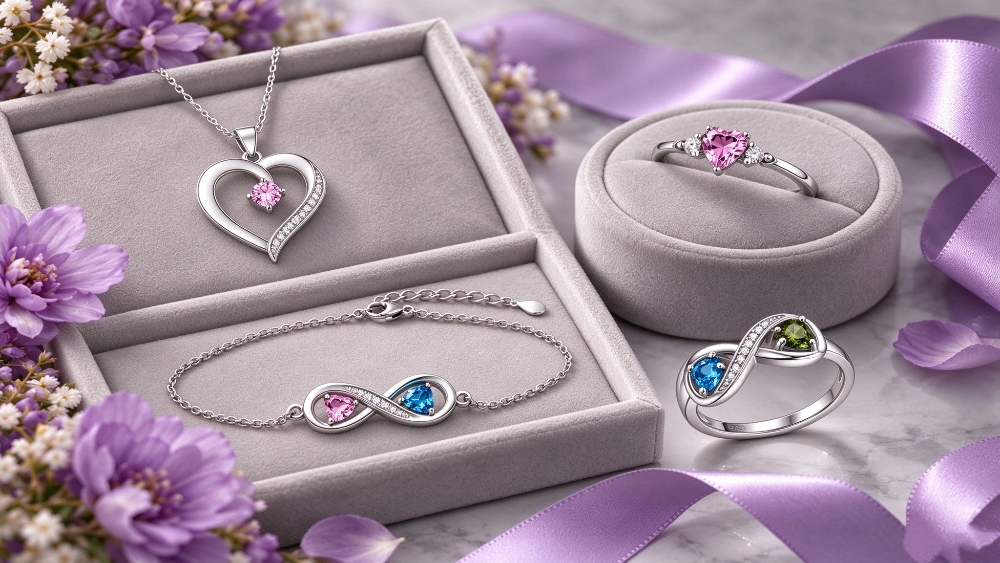
A meaningful heart necklace is especially versatile for resort dinners, honeymoon outfits and everyday wear. This ChicSilver design is made from 925 sterling silver, includes a 16-inch chain with a two-inch extender and is lightweight enough for all-day styling.
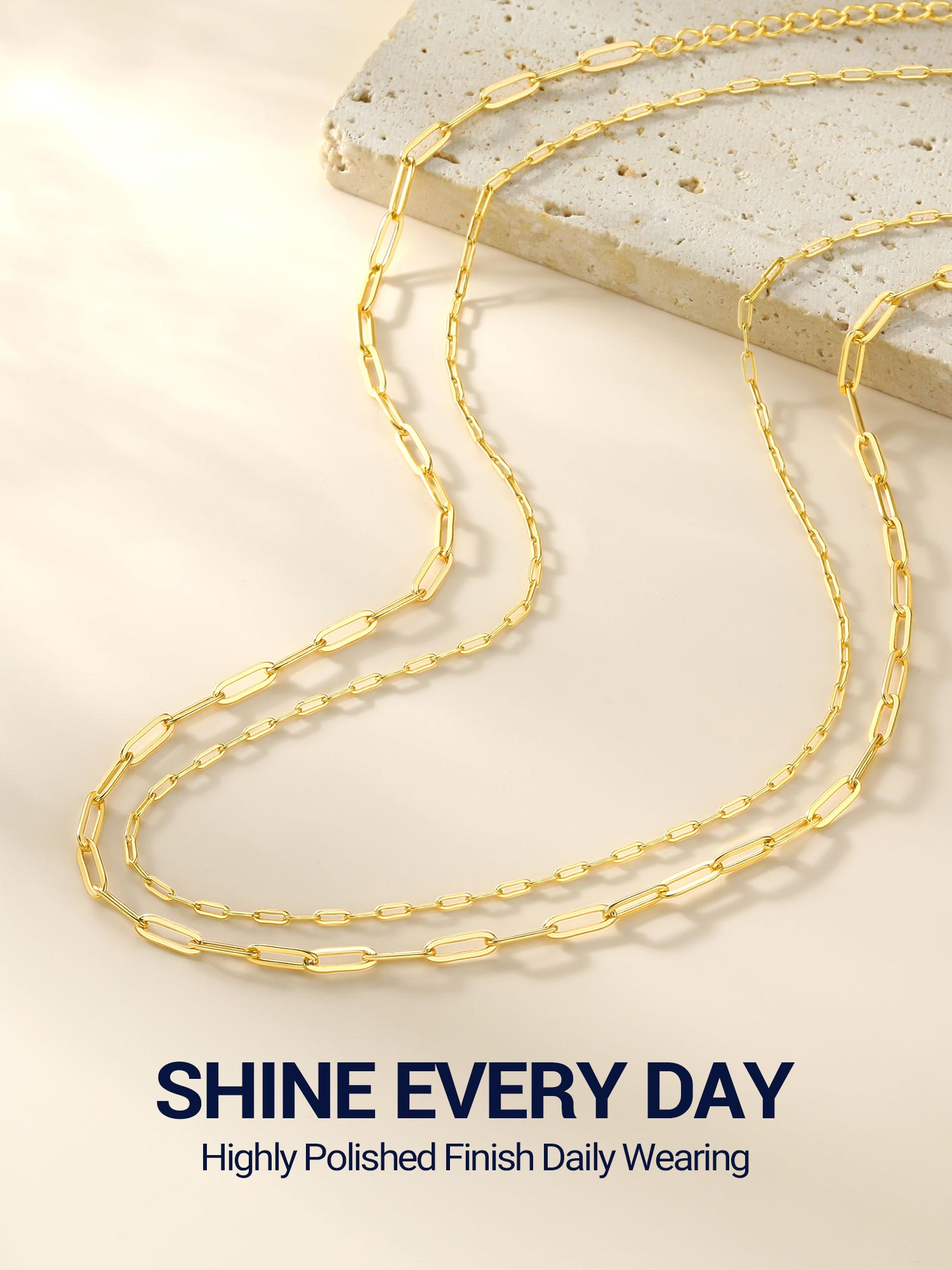
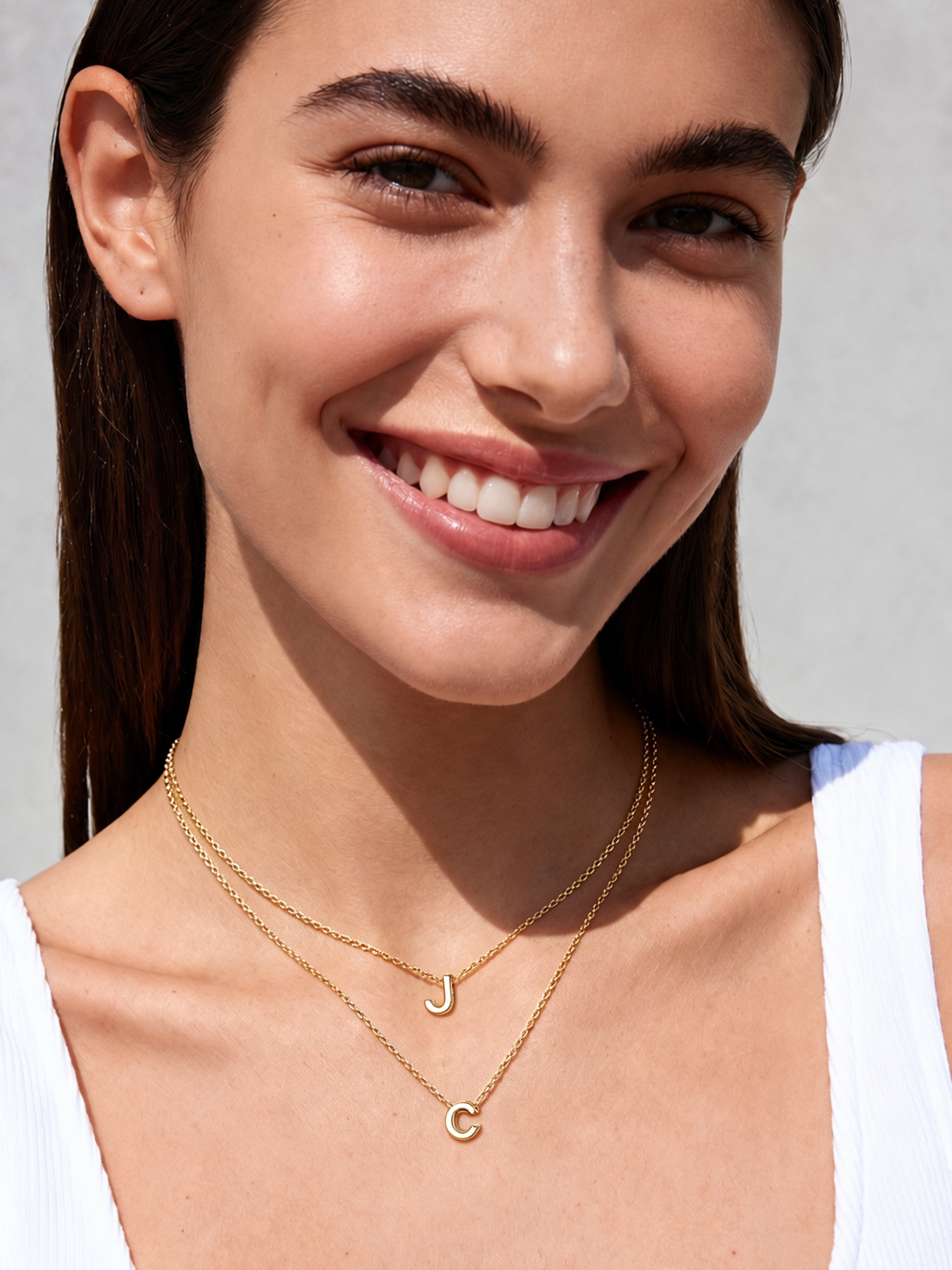
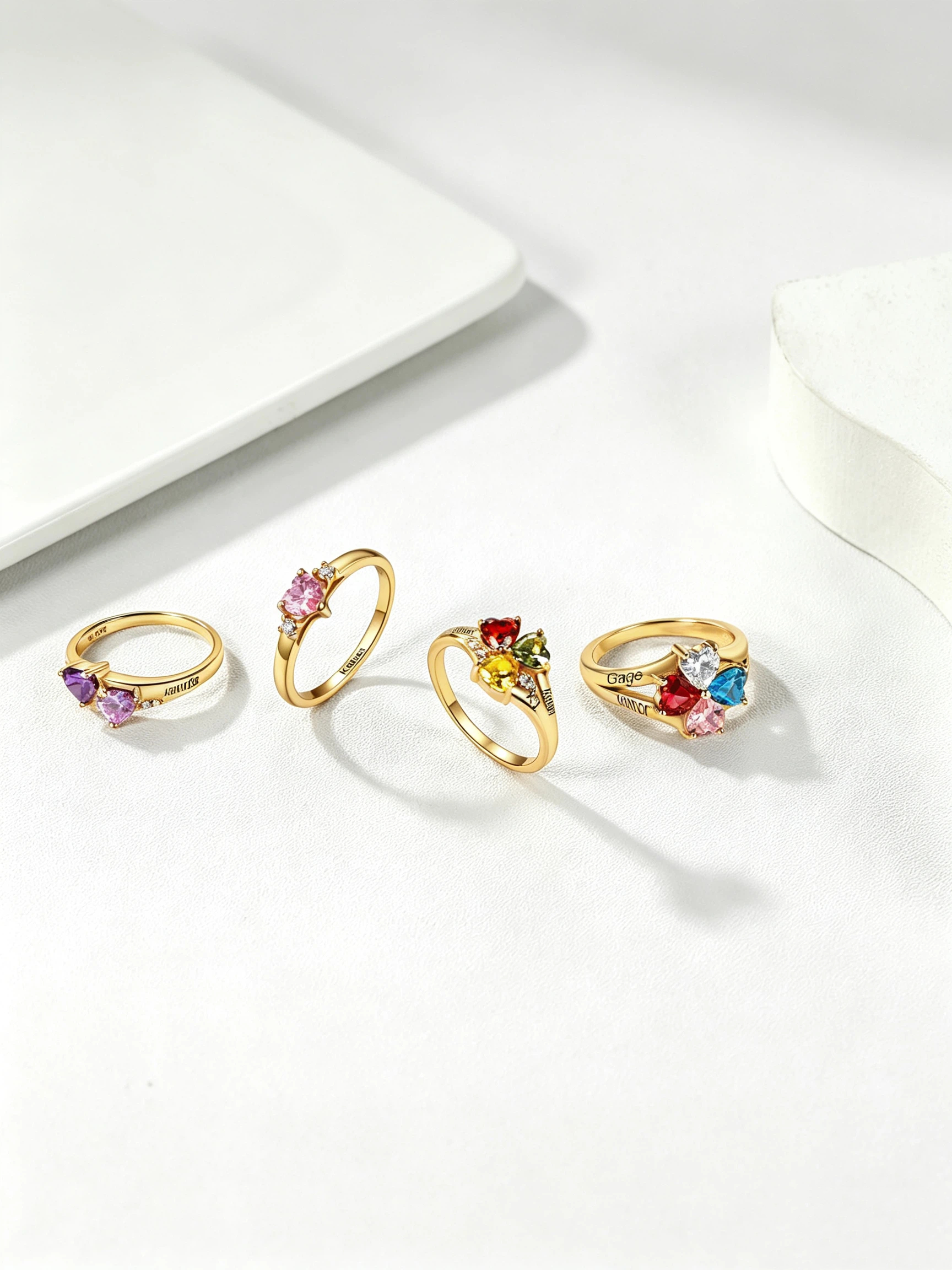
For layering, choose chains with different lengths and textures. Fine pendants, smooth chains and small personalized charms make useful layering essentials because they create dimension without adding excessive weight.
Bracelets should have secure clasps and enough space for comfortable movement in warm weather. Avoid taking highly sentimental or irreplaceable pieces to crowded beaches, even when the material itself can tolerate water.
How to Choose Waterproof Jewelry Before Buying
Begin by reading the full material description rather than relying only on the product title.
Check whether the piece is stainless steel, solid gold, sterling silver, vermeil or plated base metal. Look for information about coatings, gemstones, clasps and care instructions.
Then consider where you will actually wear it. Jewelry for occasional handwashing has different requirements from jewelry intended for daily swimming.
Before purchasing, ask:
-
Is the base metal clearly identified?
-
Is the piece plated or solid metal?
-
Is it designed for fresh water only?
-
Does the brand recommend removing it before swimming?
-
Are gemstones glued or mechanically set?
-
Is the clasp secure enough for active use?
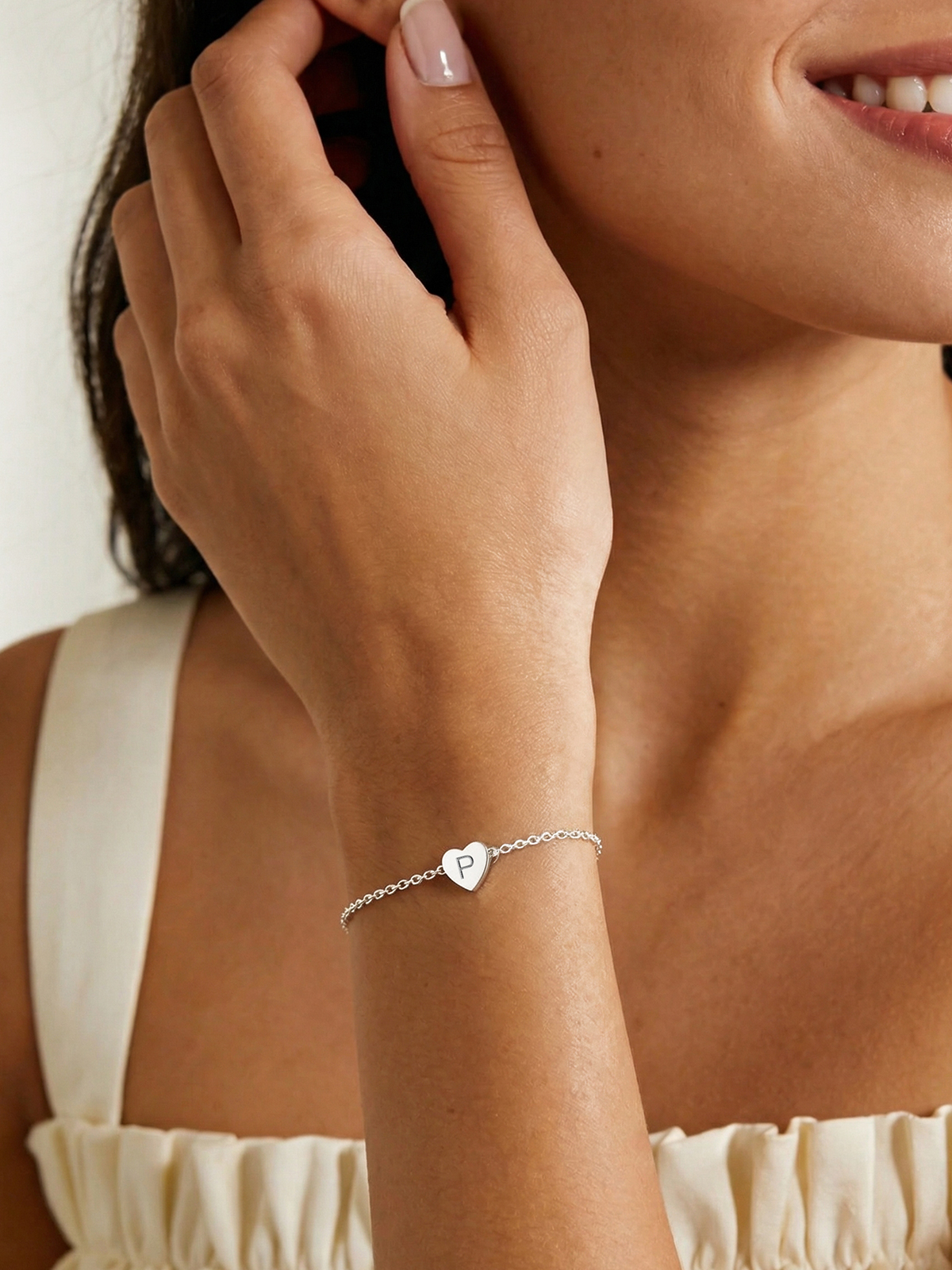
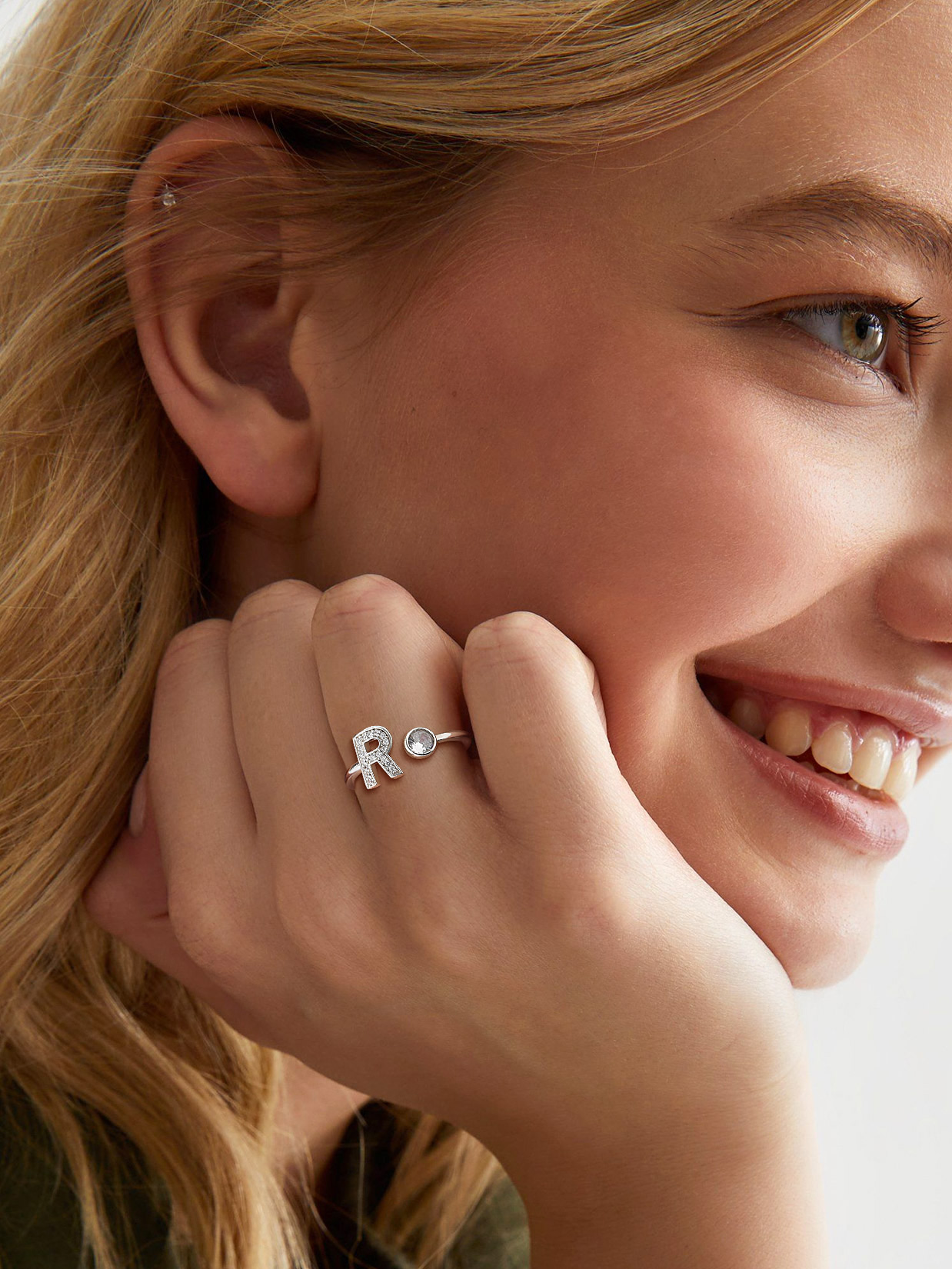
A product can be described as waterproof jewelry while still benefiting from rinsing and drying after ocean or pool exposure. ChicSilver’s initial design is made from hypoallergenic sterling silver and is described as waterproof and tarnish-resistant, but careful maintenance will still help protect its finish and clasp.
How to Care for Jewelry After Swimming
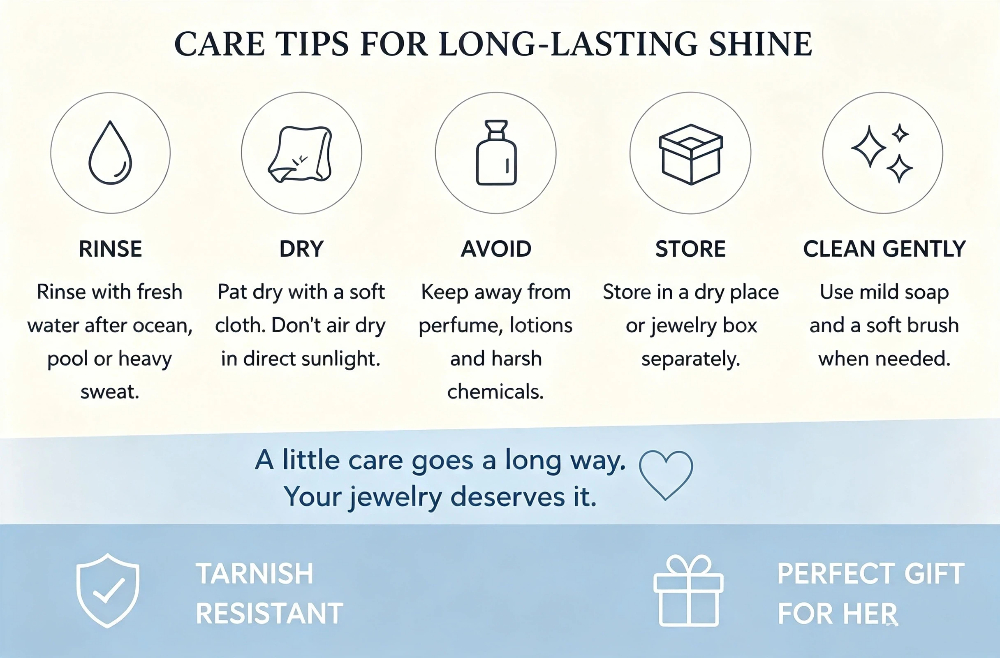
If jewelry has been exposed to a pool or ocean, rinse it as soon as possible with clean fresh water. This helps remove chlorine, salt, sunscreen and sand.
Pat the piece dry instead of rubbing it aggressively. Pay particular attention to clasps, chain links and the underside of stone settings, where moisture can remain trapped.
For deeper cleaning, use lukewarm water, mild soap and a soft brush. Avoid toothpaste, bleach, rough powders and unapproved ultrasonic cleaners. GIA notes that many gemstones can be cleaned with warm water, mild soap and a soft brush, but delicate or treated materials may require special care.
Store jewelry separately in a dry pouch or divided travel case. Sterling silver benefits from anti-tarnish storage, while fine necklaces should be fastened before packing to reduce tangling.
Waterproof Does Not Mean Maintenance-Free
No jewelry remains perfect without care. Even highly water-resistant materials can collect sunscreen, soap, sweat and mineral residue.
The goal of waterproof jewelry is not to eliminate maintenance. It is to make jewelry more compatible with real life.
For summer trips, choose durable materials for active days and save delicate sterling silver, gemstone pieces or sentimental jewelry for dinners and lower-risk occasions. This balance allows you to enjoy your accessories without treating every swim or shower as an emergency.
FAQ
1. Can sterling silver jewelry get wet?
Yes, occasional fresh-water contact is generally manageable, but the jewelry should be dried thoroughly afterward.
2. Can I swim while wearing waterproof jewelry?
Only when the maker specifically recommends it, since chlorine and salt may still affect metals, finishes and clasps.
3. Is waterproof jewelry safe to wear in the shower?
Some pieces tolerate showering, but soap, shampoo and conditioner can gradually reduce their shine.
4. What jewelry material is best for beach vacations?
High-quality stainless steel is usually more practical for active beach use than sterling silver or plated jewelry.
5. How should I clean jewelry after swimming?
Rinse it with fresh water, dry it completely and use mild soap only when a deeper clean is needed.
Comment